TRON (TRX) Tokenized Assets: Securitize Launches RWA Expansion

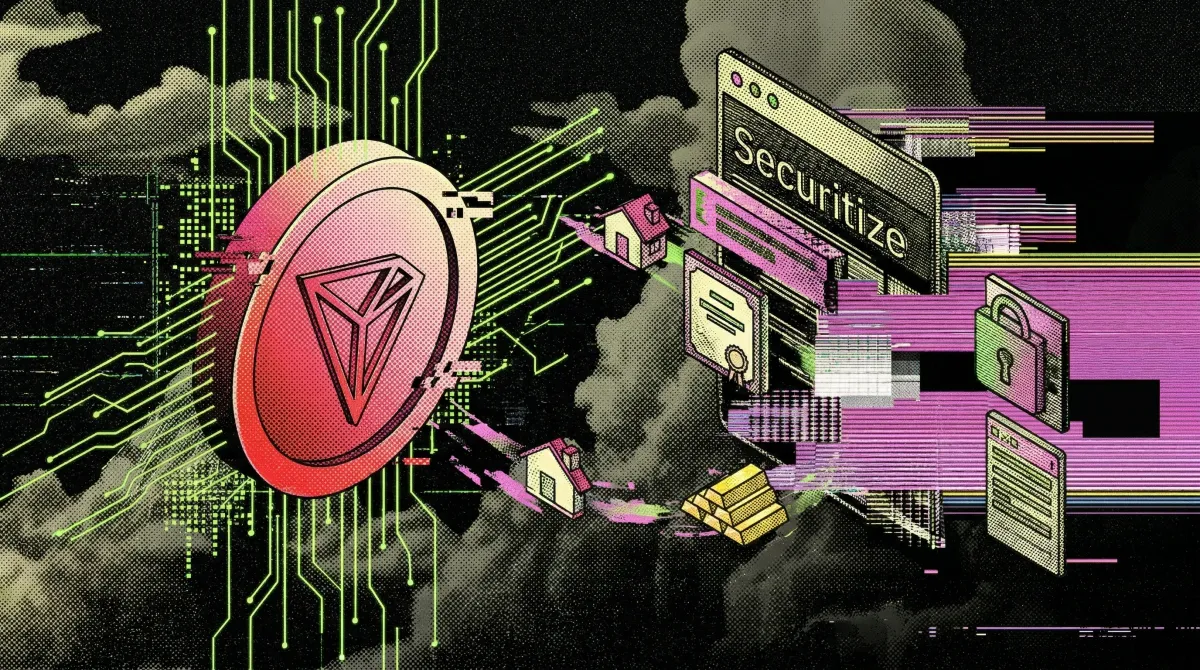
Securitize is expanding onto TRON, bringing tokenized real-world assets and tokenized securities to one of crypto’s largest networks as the RWA race moves toward broader on-chain distribution.
Quick Insights
- Securitize is bringing tokenized funds and securities to TRON, extending its real-world asset push onto one of crypto’s largest networks.
- The move is expected to support a new tokenized product on TRON, with more details still to come.
- The deal matters because it ties a major tokenization platform to a blockchain better known for scale and stablecoin activity than institutional asset issuance.
Securitize is expanding onto TRON, bringing tokenized real-world assets to one of the biggest networks in crypto. The integration will make tokenized funds and securities issued through Securitize available on TRON and is also expected to support a new product launch on the blockchain.
The announcement stands out because it pushes the tokenized asset story into a part of the market that has so far been defined more by payments and stablecoin flows than by onchain funds. TRON has scale, deep user activity, and large transfer volumes. Securitize brings the regulated tokenization infrastructure and institutional relationships that the sector increasingly cares about.
Securitize Takes Tokenized Funds to One of Crypto’s Largest Networks
Securitize has spent the past few years building its name around tokenized securities and funds, positioning itself as a bridge between traditional financial products and blockchain distribution. The company says it works across a range of tokenization and fund administration services, and it has become one of the most visible names in the real-world asset market.
This is why the TRON integration matters. It is not simply another chain expansion. It is an attempt to place tokenized assets in front of a much larger onchain user base while giving TRON a stronger foothold in one of the fastest-growing corners of crypto finance.
For readers looking at the wider trend, Nakamoto Daily’s DTCC tokenisation guide gives useful background on why traditional financial infrastructure is moving toward blockchain-based issuance and settlement.
We’ve integrated with TRON Network to bring tokenized assets issued by Securitize to one of the world’s largest blockchains.
— Securitize (@Securitize) April 10, 2026
This partnership expands our multichain footprint. pic.twitter.com/lnemXF8sVc
TRON’s Scale Gives the RWA Push a Much Bigger Audience
The reported appeal of TRON is simple: reach. The source report described the blockchain as having more than 373 million accounts, around $26 billion in total value locked, and more than $7.9 trillion in annual transfer volume. That makes it one of the largest networks available for any firm trying to broaden access to tokenized products.
TRON has already become a major venue for stablecoin activity, especially around dollar transfers. Bringing tokenized funds and securities into that environment could help test whether users on large transaction-heavy networks will also engage with more investment-style onchain products.
That question matters beyond TRON itself. Tokenization has attracted attention because it promises faster settlement, programmable ownership, and broader access to products that were previously harder to distribute. But scale has always been part of the challenge. A tokenized asset is only as useful as the network, liquidity, and distribution around it.
The Bigger Story Is Competition for Tokenized Asset Distribution
Securitize’s move also lands at a time when tokenized securities infrastructure is becoming more contested. In March, the New York Stock Exchange and Securitize said they would work together on standards and infrastructure for institutional-grade tokenized securities. That deal signalled how quickly the tokenization theme is moving from crypto-native experimentation toward established financial market structure.
Against that backdrop, expanding onto TRON looks less like a technical integration and more like a distribution play. The goal is not only to tokenize assets, but to place them on networks with enough activity to matter. That is where the competition is likely to intensify over the next year.
Readers tracking the broader onchain market structure can also follow Bitcoin and Ethereum on Nakamoto Daily’s market pages as tokenization and stablecoin infrastructure continue to reshape blockchain demand.
TRON Now Has a Chance to Broaden Beyond Payments and Stablecoins
For TRON, the integration offers a chance to expand the network’s identity. The chain is already large, but it has often been viewed through the narrow lens of payments, transfers, and stablecoin settlement. Adding tokenized funds and securities gives it a stronger claim to being part of the next phase of onchain finance.
That does not mean success is automatic. Tokenized real-world assets still need investor demand, credible issuers, compliant distribution, and enough secondary liquidity to become more than a narrative. But if Securitize can turn TRON’s user scale into real product adoption, the network could become a more serious player in the RWA race than many expected.
The next important detail is the product itself. Securitize said the integration will support a new tokenized asset launch on TRON, and that first rollout should say a lot about the kind of investors, capital, and demand this partnership is actually targeting.
For now, the bigger point is clear. Tokenized real-world assets are no longer only fighting for regulatory clarity or institutional credibility. They are also fighting for distribution, and that is exactly what this TRON move is about.


