Yuga Labs Settles Bored Ape Lawsuit With Ryder Ripps After Three-Year Fight

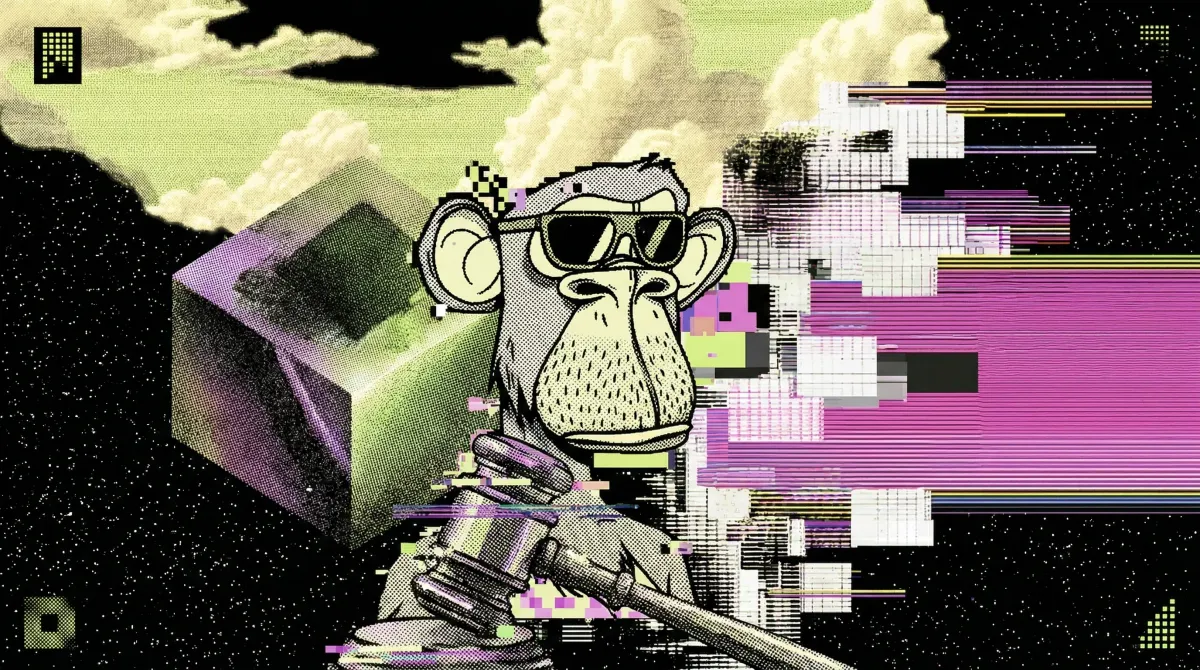
Yuga Labs has settled its three-year trademark lawsuit against artist Ryder Ripps and Jeremy Cahen over their RR/BAYC NFT collection. Ripps is permanently barred from using Bored Ape imagery. The Ninth Circuit's ruling that NFTs qualify as goods under the Lanham Act stands as precedent.
Quick Insights
- Yuga Labs has settled its trademark lawsuit against artist Ryder Ripps and business partner Jeremy Cahen over their RR/BAYC NFT collection, which reproduced Bored Ape Yacht Club imagery.
- The settlement permanently bars Ripps and Cahen from using Yuga's images and trademarks. Financial terms have not been disclosed.
- The case produced a Ninth Circuit ruling that NFTs qualify as "goods" under U.S. trademark law, setting a precedent that will apply to future disputes across the NFT industry.
Yuga Labs, the company behind the Bored Ape Yacht Club, has settled its trademark infringement lawsuit against artist Ryder Ripps and his business partner Jeremy Cahen. Court documents filed on April 7 in the U.S. District Court for the Central District of California confirm the parties have agreed to resolve all claims. The settlement ends a dispute that began in July 2022 and produced two significant federal court rulings on intellectual property protections for NFTs.
Under the agreement, Ripps and Cahen are permanently barred from using Yuga's imagery and trademarks. The financial terms remain confidential. Ripps said in a statement that the settlement details were private, and Yuga Labs declined to comment, according to Reuters.
How Yuga Won $9 Million Then Lost It All on Appeal
The case went through several turns. Yuga sued in 2022, alleging that Ripps and Cahen sold lookalike NFTs through a project called RR/BAYC that used identical Bored Ape imagery and earned millions by confusing buyers. Ripps argued the project was satirical commentary, including claims that BAYC artwork contained racist or anti-Semitic references.
District Judge John Walter sided largely with Yuga in March 2023, granting partial summary judgment. A bench trial on damages produced a total award of over $8.8 million, covering attorney fees, profit disgorgement, and statutory damages. Ripps and Cahen appealed, and in July 2025 the Ninth Circuit overturned the summary judgment on consumer confusion, ruling a jury should decide whether buyers were actually misled. The $8.8 million award was vacated. This settlement avoids the jury trial that had been ordered.
The Ninth Circuit's ruling that NFTs qualify as "goods" under the Lanham Act still stands. That means NFTs can receive the same federal trademark protections as physical products. It is the first controlling appellate ruling on that question in the U.S. and will apply to future NFT trademark disputes regardless of how this case ended.
Satire Is No Longer a Free Pass for Copycat NFT Projects
The ruling that NFTs are "goods" under federal trademark law matters for any creator or company whose NFT brand has commercial value. Copying another project's imagery and selling it as NFTs can constitute infringement, even if the creator claims satire. The defence is not automatically disqualifying, but the Ninth Circuit made clear it does not provide blanket protection when the work is also being sold commercially.
The case closes a chapter that began during peak NFT mania and dragged on through the crash. Bored Ape floor prices sat above $300,000 at the collection's height. The legal battle outlasted the market conditions that made the stakes feel so significant. The precedent it leaves behind will likely prove more durable than the prices that prompted the lawsuit.