What Are Tokenized Treasuries? 2026 Guide to On-Chain RWAs

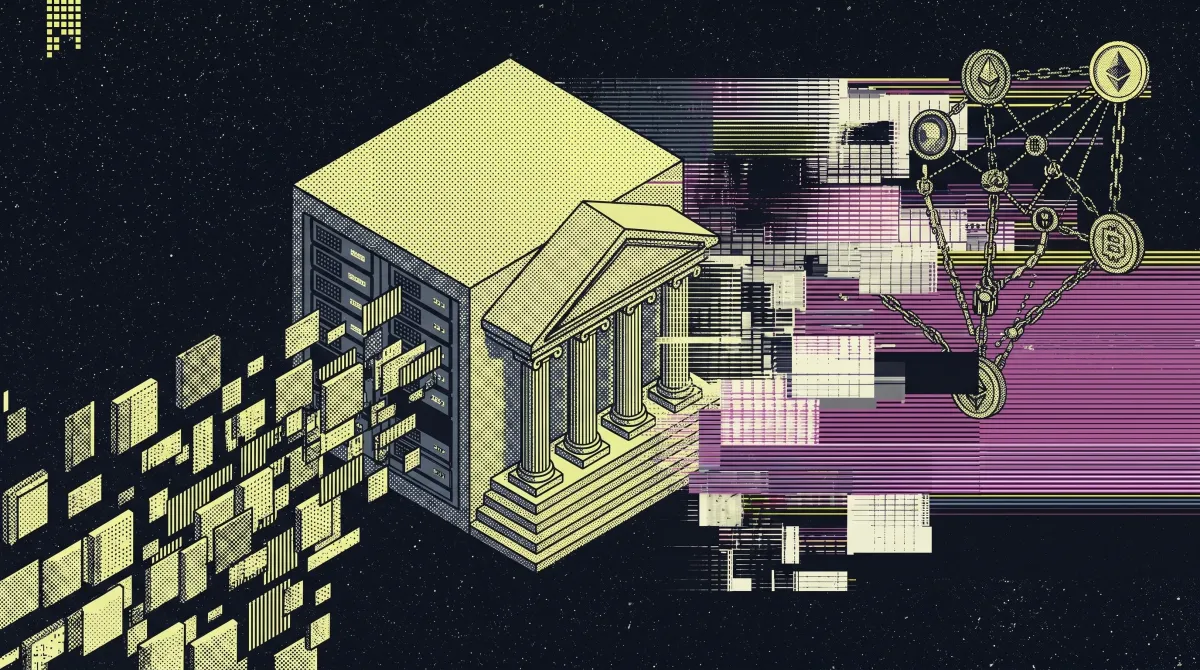
Tokenized treasuries turn short-dated US government debt and treasury-focused money market funds into onchain assets. This guide explains how they work, why investors use them and where the risks sit.
Quick Insights
- Tokenized treasuries are onchain tokens that give investors exposure to US Treasury bills, notes, bonds or treasury-focused money market funds.
- RWA.xyz tracks a tokenized US Treasuries market worth billions of dollars, showing how quickly the category has moved beyond a niche experiment.
- Products such as BlackRock’s BUIDL and Franklin Templeton’s FOBXX have helped make tokenized treasuries one of the biggest real-world asset categories in crypto.
- The appeal is simple: dollar yield with faster settlement, onchain transfers and easier integration into wallets, trading venues and collateral systems.
What are tokenized treasuries? They are digital tokens issued on a blockchain that represent exposure to US government debt or to funds that hold that debt. In practice, that usually means Treasury bills or treasury-focused money market products wrapped in a token investors can hold and move onchain.
The category has grown quickly because it solves a simple problem. Crypto investors, treasury managers and institutions often want dollar yield without moving too far away from blockchain-based rails. Tokenized treasuries offer a way to earn income linked to government debt while staying closer to wallets, exchanges and other digital asset infrastructure.
That shift is now large enough to matter. Tokenized US Treasury products have grown into one of the clearest examples of real-world assets moving from theory into live use.
Tokenized Treasuries Put Government Debt on Blockchain Rails
At the simplest level, a tokenized treasury product starts with a familiar underlying asset. An issuer or fund manager buys US government securities, or units in a fund that holds them, then creates blockchain-based tokens representing an investor’s claim on that pool.
That does not mean the Treasury bond itself lives natively onchain in the same way as a cryptocurrency token. In most cases, the legal ownership, custody and transfer structure still sits inside a traditional fund or securities wrapper. The token acts as the onchain representation of that exposure.
For investors, the attraction is convenience. A tokenized treasury product can often be subscribed to, transferred or integrated into digital asset workflows more easily than a conventional fixed-income position. That makes it useful not just as a passive holding, but also as a building block for collateral, treasury management and onchain cash parking.
| Product Type | What You Hold | Main Benefit | Main Trade-Off |
|---|---|---|---|
| Tokenized Treasuries | Onchain token linked to government debt or a treasury fund | Yield plus onchain transferability | Issuer, custody and redemption reliance |
| Direct Treasury Bills | Government debt held through a broker or custodian | Straight exposure to US Treasuries | Slower market plumbing and less onchain utility |
| Stablecoins | Dollar-linked token | Fast and widely accepted onchain | Usually no direct treasury yield for holders |
BlackRock BUIDL and Franklin FOBXX Explain the Surge
Two of the best-known names in the category help explain why tokenized treasuries have gained traction. BlackRock’s BUIDL fund, offered through Securitize, gave the sector a high-profile product backed by one of the biggest asset managers in the world. Franklin Templeton’s Franklin OnChain U.S. Government Money Fund, known as FOBXX, arrived earlier and helped establish the model for recording fund ownership using blockchain rails.
That matters because tokenized treasuries are not just a crypto label attached to a random fixed-income product. The category is being built around regulated wrappers, recognizable issuers and familiar underlying assets.
BlackRock’s entry added credibility. Franklin Templeton’s early move showed the model could work. Together, they helped pull tokenized treasuries out of the experimental stage and into the institutional conversation.
Tokenized Treasuries Give Crypto a Yield Base
The core appeal of tokenized treasuries is straightforward. Investors like them because they can offer yield linked to short-dated government debt while remaining easier to move and integrate than many traditional fixed-income products.
That is especially useful in crypto markets, where capital often sits idle between trades or between periods of risk appetite. A tokenized treasury product can give users a place to park dollars or dollar-linked capital without fully leaving the onchain environment.
This is one reason the category has grown even while other parts of crypto have remained volatile. When rates are meaningful, the pitch becomes simple: government-backed yield with blockchain-based settlement.
- Park idle capital in a yield-bearing onchain asset
- Use treasury-linked products as collateral in digital asset strategies
- Keep cash management closer to wallets and blockchain settlement rails
- Gain exposure to a familiar traditional asset inside crypto infrastructure
Tokenized Treasuries Still Carry Four Clear Risks
Tokenized treasuries are lower risk than many onchain yield products, but they are not risk free. Investors still depend on the issuer, the custody chain, the legal wrapper and the redemption process working as advertised.
There is also platform risk. Access and transfer depend on blockchain infrastructure, smart contracts and service providers. Some products are also designed for institutional or qualified users, which means onboarding requirements, transfer restrictions and jurisdiction limits can shape how useful they are in practice.
Interest-rate risk still exists too. If the underlying portfolio has longer duration exposure, changes in rates can affect value. For very short-dated products that risk is usually lower, but it is not zero.
| Risk | What It Means | Why It Matters |
|---|---|---|
| Issuer and Custody | You rely on the manager, custodian and legal structure | Moderate |
| Redemption and Liquidity | Access to cash may depend on issuer rules and market conditions | Moderate |
| Platform and Smart Contract | Wallets, token contracts and integrations can fail or break | Higher |
| Interest-Rate Risk | Underlying fixed-income value can move when rates change | Lower to moderate |
Tokenized Treasuries Became a $14.7B Bridge in 2026
The bigger story is not just that tokenized treasuries exist. It is that they have become one of the clearest bridges between traditional finance and blockchain infrastructure.
For years, crypto talked about bringing real-world assets onchain. Tokenized treasuries are one of the first categories where that promise translated into meaningful size, recognizable issuers and a clear use case. They give investors a familiar asset and a practical reason to care about blockchain settlement beyond speculation.
Frequently Asked Questions About Tokenized Treasuries
BlackRock’s BUIDL is widely cited as the largest tokenized treasury fund and one of the most prominent products in the market.
A treasury token is a blockchain-based token that gives investors exposure to US government debt or a treasury-focused money market fund.
Tokenization still carries issuer, legal, custody and platform risk, and some products come with access or transfer restrictions.
BlackRock and Franklin Templeton are among the best-known names leading the tokenized treasuries market.


